

Subscription Upgrades is a Beta feature and must be enabled on your account by support before the template appears. Message support via the in-app chat to request access.
Creating a Subscription Upgrade offer
To set up a Subscription Upgrade, you will use the post-purchase funnel editor. The setup wizard walks you through four steps: connecting your subscription provider, picking the trigger product, configuring the upgrade itself, and choosing the offer product the customer sees on their order. To open the wizard:- In your Aftersell dashboard, go to Post-purchase Upsells.
- Click Add Funnel.
- Select the Subscription Upgrade template.
Step 1: Connect provider
Add your API key.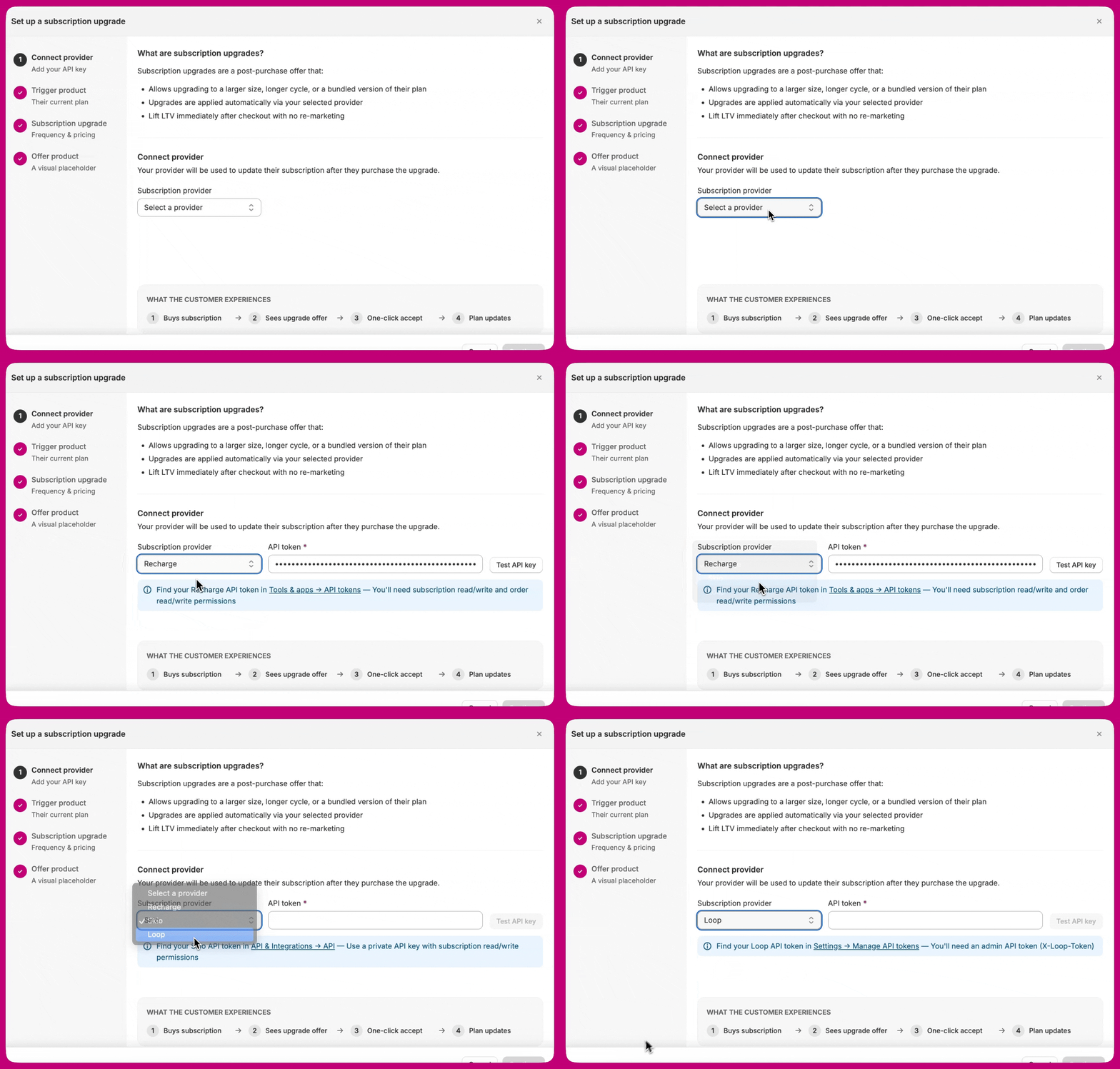
Pick your provider
From the Subscription provider dropdown, select Recharge, Skio, or Loop. The API token field and its helper text update to match the provider you picked.Generate your API token
If you do not already have a token, generate one in your subscription platform. Each provider has different scopes and steps — see the dedicated guide for your provider:Loop prerequisite. Loop does not support prepaid subscriptions through this integration — the billing frequency is locked to match delivery frequency. When using Use an existing selling plan, the plan must already exist in your Loop dashboard. When setting the frequency manually, no selling plan is required. See Subscription upgrades with Loop for full details.
Paste, test, and save
Back in the Step 1 panel:- Paste your API token into the API token field.
- Click Test API key. Aftersell validates the token against your provider, checking that it authenticates correctly, holds all required scopes, and belongs to your store.
- Once the test passes (green check), click Continue to move to Step 2.
- Green check (valid) — the token authenticated, all required scopes are present, and the token belongs to your store. You can save and continue.
- Red X (invalid) — the token was rejected or is missing required scopes. The message names the specific missing scopes if applicable. Fix the token in your provider dashboard and test again before saving.
- Warning (could not verify) — Aftersell could not reach your provider to complete the check. Test the key again. You cannot save until the check passes or clears.
Step 2: Trigger product
Their current plan. Select the trigger product. Pick the subscription customers will be upgrading from.- Click Choose subscription product.
- Only products with active subscription plans appear in the picker.
- Select the product (and a variant if it has variants).
- Click Select product.
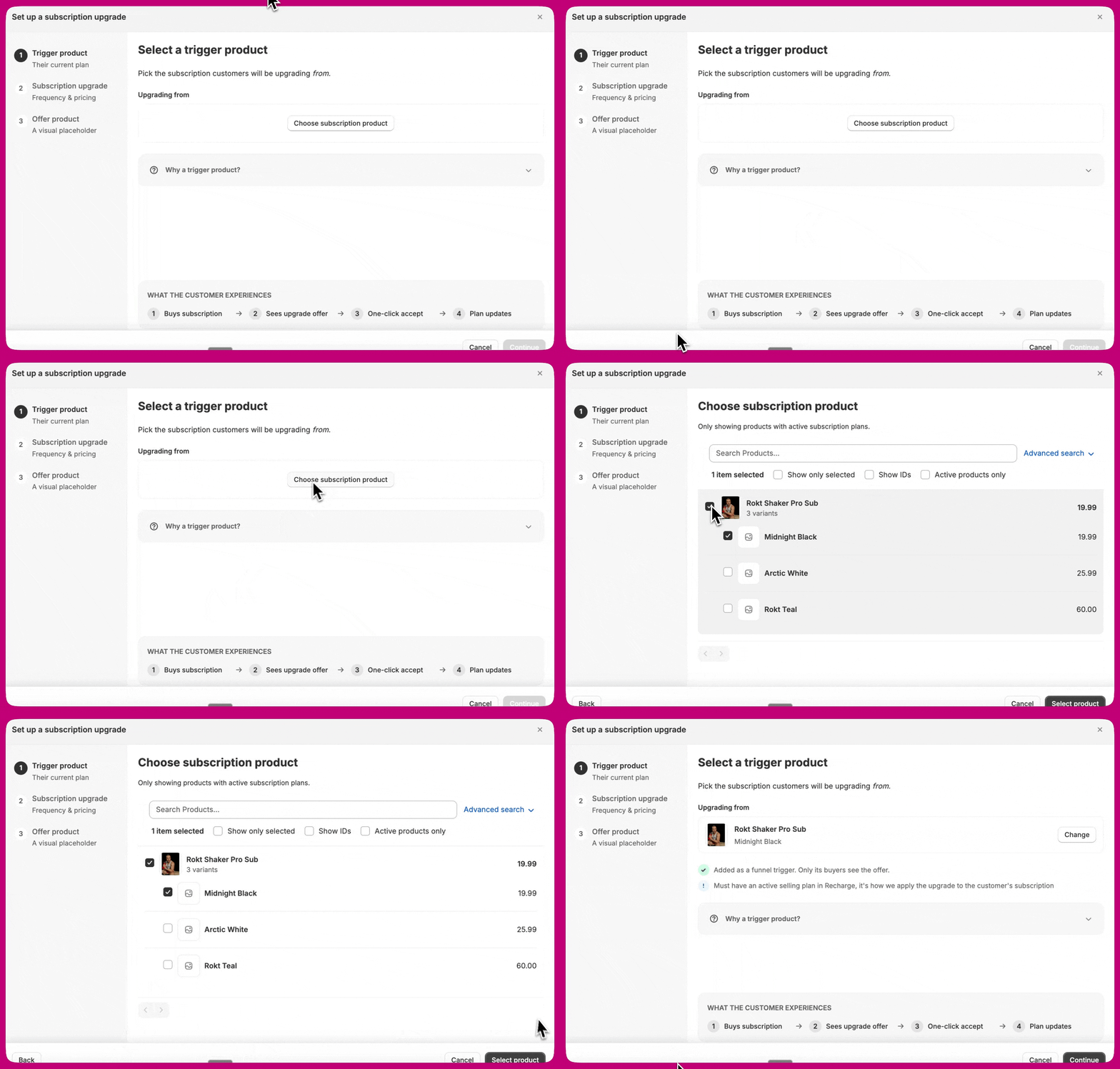
Subscription Upgrades target a product, not a variant. If your selling plans differ per variant (different frequencies or prices per size, colour, etc.), create a separate funnel for each variant.
Step 3: Subscription upgrade
Frequency & pricing. Configure the subscription upgrade. Choose what happens when a customer accepts the upgrade.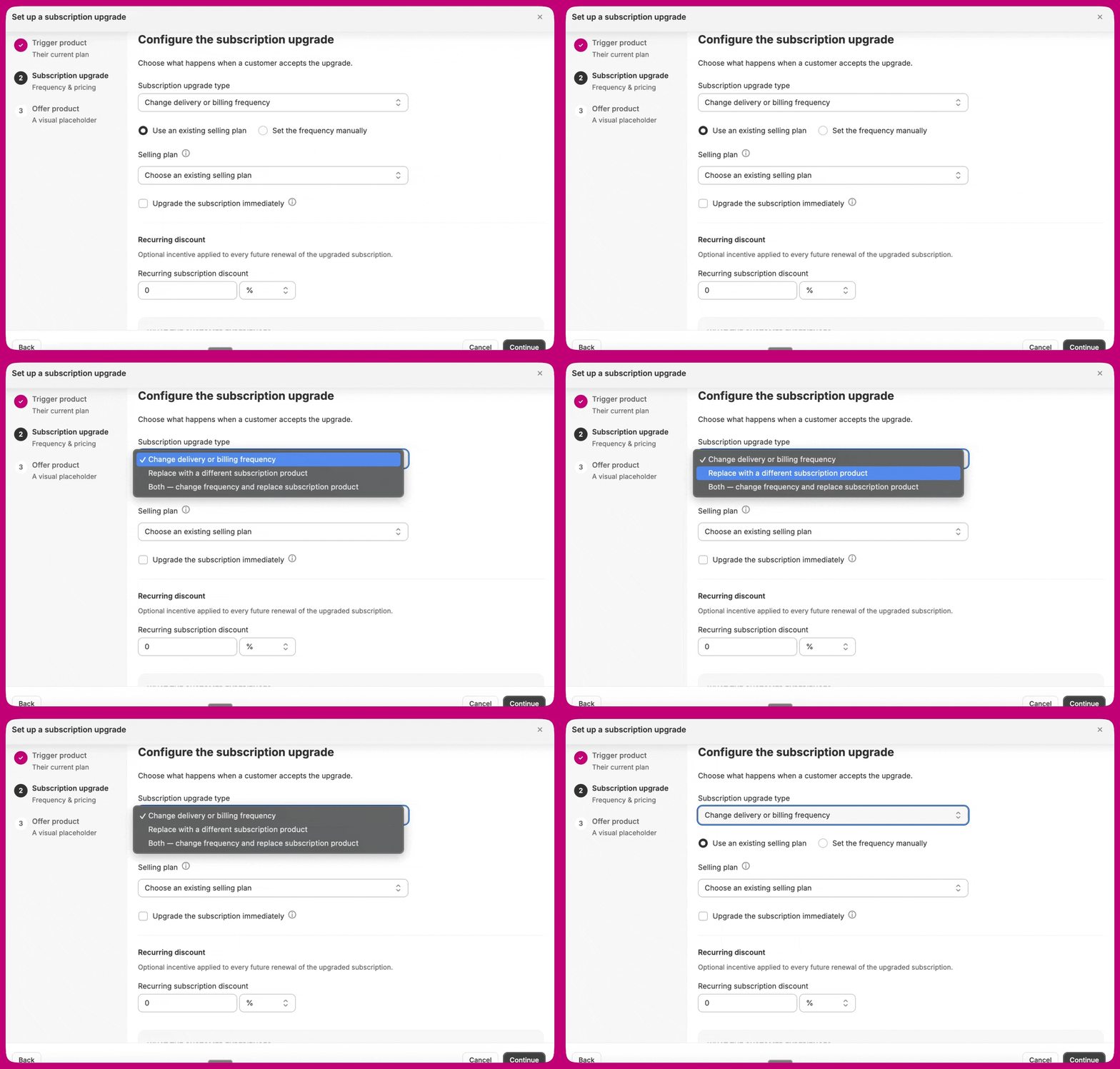
Subscription upgrade type
Pick one of three options from the dropdown:- Change delivery or billing frequency. Keep the same product, change how often the customer is billed or shipped to.
- Replace with a different subscription product. Keep the same frequency, swap to a different product.
- Change frequency and replace product. Do both at once.
If you picked “Change delivery or billing frequency”
Choose how to define the new frequency:- Use an existing selling plan. Pick from a dropdown of plans already configured in Recharge, Skio, or Loop. The plan defines the delivery and billing intervals.
- Set the frequency manually. Enter delivery and billing frequencies yourself.
- Delivery frequency, how often the product ships.
- Billing frequency, how often the customer is charged.
Loop does not support prepaid frequencies. The billing frequency field is automatically synced to delivery frequency for Loop stores.
If you picked “Replace with a different subscription product”
Replacement subscription product. Pick the subscription product the customer will be upgraded to. Only products with active selling plans are shown.- Click Choose replacement product.
- Select the product (and a variant if applicable).
- Click Select product.
- When off (default), the existing subscription quantity is preserved on renewal.
- When on, enter the quantity that will apply to renewals of the replacement subscription.
If you picked “Change frequency and replace product”
Both sets of fields appear: the frequency configuration from the first option, and the replacement product picker from the second. Fill in both, or the offer will not work.Recurring discount
Optional incentive applied to every future renewal of the upgraded subscription.- Recurring subscription discount. Enter the amount.
- Discount type. Percentage or fixed amount.
Step 4: Offer product
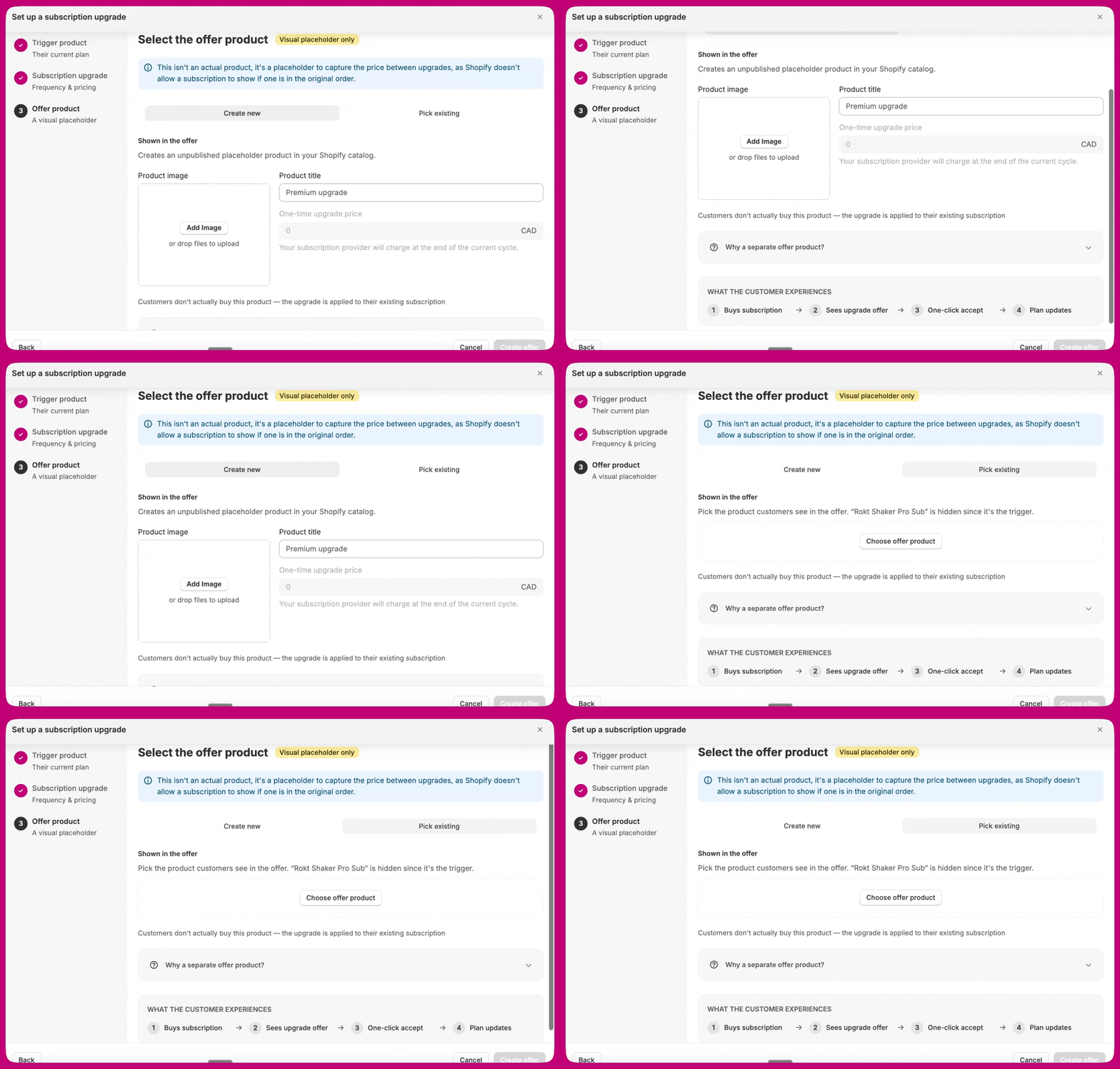
A visual placeholder. Select the offer product. This is a visual placeholder only, not a real product the customer buys.This is not an actual product, it is a placeholder to capture the price between upgrades, because Shopify does not allow a subscription to show if one is in the original order.
Option A: Create new
Aftersell creates an unpublished placeholder product in your Shopify catalog on your behalf.- Product image. Upload the image shown in the offer card.
- Product title. The name shown in the offer card, for example Premium upgrade.
- One-time upgrade price. When
Upgrade the subscription immediatelyis off (the default), this field is locked at0because the subscription provider will charge at the end of the current billing cycle, and the placeholder product appears on the Shopify order at$0.00. WhenUpgrade the subscription immediatelyis on, the field becomes editable so you can set it to the price difference between the original and the upgraded subscription.
Why a separate offer product?
- The image, title, and price you set appear in the offer.
- On accept, the displayed price is charged and Recharge, Skio, or Loop applies the upgrade.
- Shopify will not allow a subscription product as a post-purchase upsell after a subscription order, so the product here must be a non-subscription SKU.
Option B: Pick existing
Pick a product you have already created in Shopify. The trigger product is auto-hidden from the picker since it’s a subscription product.- Click Choose offer product.
- The picker shows only products without active subscription plans.
- Select the product and click Select product.
Additional triggers and refinements
The wizard automatically adds the trigger product in Step 2. This section is for any additional triggers you want to layer on top of it.Why product-specific triggers matter
Without a product trigger, your funnel may show to customers who do not have the eligible subscription product in their order. This results in wasted impressions and a subscription modification that silently fails: the offer product gets added to the order, but no subscription is changed in Recharge, Skio, or Loop.Recommended trigger setup
All enabled triggers use AND logic. Every condition must be met for the funnel to show.
Editing an offer after it’s been created
You can change a Subscription Upgrade offer after creating it. The setup wizard is only used when you first add the offer — to edit an existing one, update its fields directly in the offer’s settings in the funnel editor (there is no “re-run the wizard” step).- In your Aftersell dashboard, go to Post-purchase Upsells.
- Open the funnel that contains your Subscription Upgrade offer.
- Select the offer to open its settings, then edit the fields inline — trigger product, upgrade type, upgrade frequency and recurring discount, and the offer product’s image, title, or price.
- Save.
If the offer uses an existing selling plan for its frequency, the frequency and recurring discount are set by that selling plan and can’t be edited here. Switch the offer to setting the frequency manually if you need to change them.